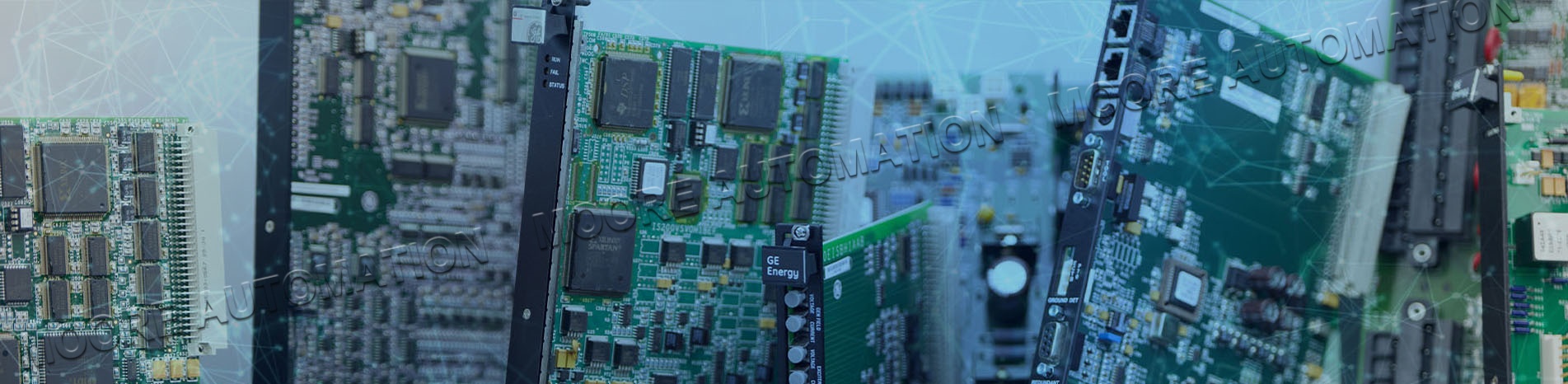
Monitoring and Protecting large, complex rotating machinery is a high priority in most industrial operations. However, it is generally difficult to justify this type of continuous vibration monitoring for less critical, essential or general purpose equipment. As a result, these machines typically operate without adequate protection. The Bently Nevada 1900/65 Gene...
Revolutionizing Industrial Collaboration Through AI In an era where technological advancements are reshaping industries, Artificial Intelligence (AI) stands out as a pivotal force driving transformation in industrial collaboration. By enhancing communication, optimizing processes, and fostering innovation, AI is revolutionizing how organizations work together, ultimately leading to increased effic...
The Critical Alliance: PLCs and Servo Motors in Motion Control In the realm of industrial automation, the synergy between Programmable Logic Controllers (PLCs) and servo motors forms the backbone of high-precision motion systems. A PLC acts as the central intelligence, issuing command signals, while the servo drive and motor function as the high-performance executive limb, delivering exact motion....
In modern industrial automation environments, Distributed Control Systems (DCS) have become the core of stable and efficient production processes. Key components of a DCS, such as control modules, I/O modules, and communication modules, determine the system's reliability and lifespan. With increasingly complex global supply chains, choosing a trustworthy DCS module supplier has become crucial. So,...
As manufacturing demands for reliability and continuous operation (24/7), the risk of production interruptions due to controller failures or single points of failure in traditional PLC control systems is becoming increasingly significant. A recent technical article from AutomationForum provides an in-depth analysis of Hot Standby PLC architecture, highlighting its ability to greatly improve the av...
Understanding Electrostatic Threats in DCS Control Systems Static electricity is a major hidden threat to DCS hardware during routine maintenance. A sudden discharge can instantly harm precision components or slowly weaken circuits over time. Since many discharges occur below the threshold of human detection, establishing strong ESD controls is critical to safeguarding system stability and avoidin...
In modern industrial automation systems, PLCS (Programmable Logic Controllers) and their I/O modules are the core "nerve centers" of production lines. The I/O module converts sensor signals into the data required for logical control and transmits instructions to the actuator. If these modules malfunction, it may lead to a complete shutdown of the production line, abnormal data, and even safety ris...
In industrial automation control systems, 24V DC power supply has almost become the default configuration for PLC systems. Whether it is PLC cpus, digital I/O modules, or on-site sensors and actuators, 24V DC power is widely applied. So, why do most industrial PLC systems choose 24V DC instead of other voltages? What is 24V DC? What role does it play in the PLC system? 24V DC refers to a 24-volt d...
With the continuous improvement of the degree of automation in industrial sites, distributed control systems (DCS) have become the core control infrastructure in key industries such as modern factories, energy, and chemical engineering. Although these systems have brought about improvements in efficiency and visual management, due to the trend of interconnection and interoperability, they are grad...
Stuck in a critical breakdown situation? Moore Automation provides a myriad of services to clients across the globe. Contact us today to find out how our experienced team can help you minimise downtime.



 1 Year Warranty