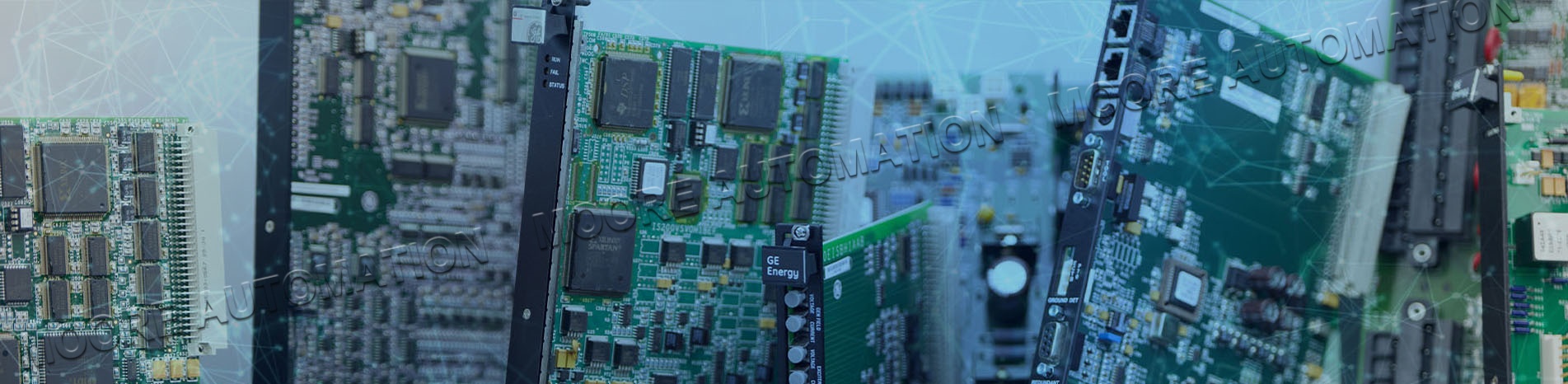
Gas turbines remain fundamental to modern power generation and industrial operations, where consistent output and operational stability are essential. At the core of these systems, control platforms manage real-time processes and ensure safe turbine performance. As installed GE systems continue to age, the importance of sourcing high-quality GE gas turbine control system spare parts has become increasingly prominent for maintaining system reliability and extending service life.
Functional Role of Spare Parts in GE Control Architectures
Control systems such as Mark V and Mark VI are widely deployed across energy and process industries. These platforms are responsible for executing critical functions, including combustion control, temperature regulation, vibration analysis, and protective shutdown logic.
Due to long-term exposure to heat, electrical loading, and environmental factors, internal components inevitably experience performance degradation. Without a structured replacement strategy, even localized failures within turbine control modules can propagate into system-level faults. For this reason, spare parts management is a core element of long-term operational planning.
Typical GE Mark V and Mark VI Spare Parts and Control Modules
Maintaining system availability requires access to essential modules commonly used in GE control systems. Representative examples include:
IS200AEPAH1B – Control-related printed circuit board utilized within GE Mark VI spare parts architecture
IS215WERAH2B – Interface module supporting analog output functions in turbine applications
DS200TCPAG1A – Integrated power and control board applied in Mark V systems
DS200RTBAG3A – Relay terminal board enabling signal routing and field interfacing
These turbine control modules are engineered to maintain stability under challenging industrial conditions, including high ambient temperatures, electrical interference, and continuous-duty operation.
Spare Parts Compatibility and Quality Assurance Considerations
A critical factor in spare parts replacement is ensuring alignment between the selected component and the existing system configuration. Incompatible or non-qualified parts may introduce signal distortion, communication faults, or unexpected system behavior.
To ensure reliability, operators often prioritize suppliers capable of delivering:
Comprehensive functional testing and validation
Technical guidance for GE Mark VI spare parts selection and integration
Refurbished components with performance certification
Rapid fulfillment to support time-sensitive maintenance requirements
Such measures reduce operational risk and improve maintenance efficiency across turbine control environments.
Extending System Lifecycle with Targeted Replacement Strategies
Many facilities choose to prolong the usability of legacy GE control systems by implementing targeted spare parts replacement rather than full system upgrades. This approach allows operators to retain proven infrastructure while optimizing capital expenditure.
By maintaining inventory of critical turbine control modules, particularly those with higher failure rates or extended procurement cycles, organizations can significantly improve response time during unexpected events and minimize production losses.
Alignment with Predictive Maintenance Methodologies
The adoption of predictive maintenance has transformed how spare parts are managed within turbine control systems. Instead of reactive interventions, operators increasingly rely on condition monitoring and diagnostic analytics to anticipate component wear.
Through this data-driven approach, replacement of GE gas turbine control system spare parts can be scheduled proactively, reducing unplanned downtime and improving asset reliability. In addition, predictive strategies support better resource allocation and long-term maintenance planning.



 1 Year Warranty