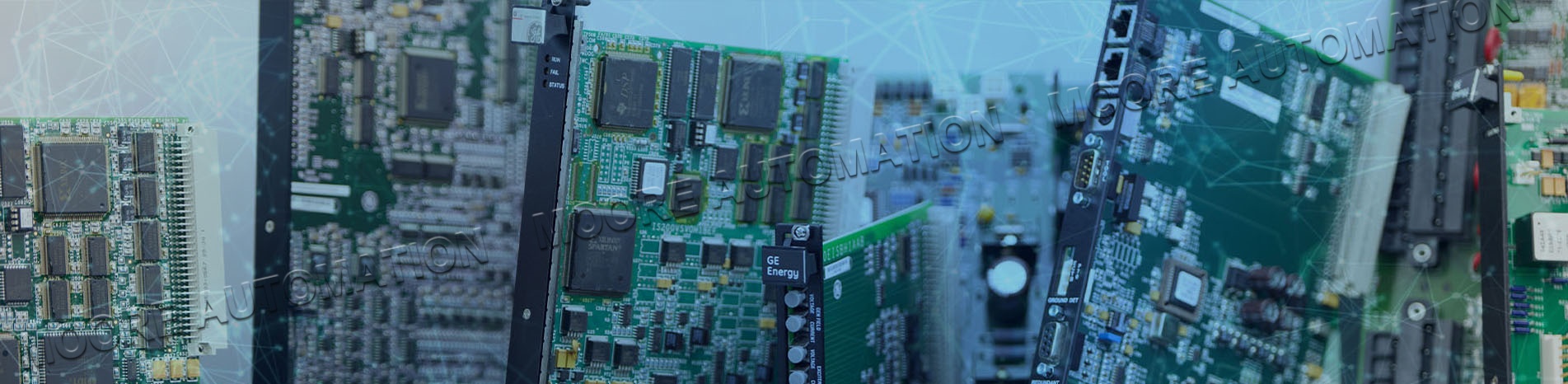
In modern industrial automation environments, Distributed Control Systems (DCS) have become the core of stable and efficient production processes. Key components of a DCS, such as control modules, I/O modules, and communication modules, determine the system's reliability and lifespan. With increasingly complex global supply chains, choosing a trustworthy DCS module supplier has become crucial.
So, what characteristics should an excellent supplier possess? This article will analyze these aspects from multiple perspectives, including industry understanding, technical strength, delivery capabilities, maintenance support, and cost structure, to help you make the best choice among numerous suppliers.
Why is choosing a reliable DCS Module Supplier crucial?
In process industries, energy sectors, petrochemicals, pharmaceuticals, food processing, and steel manufacturing, DCS systems undertake the following key tasks:
Monitoring production processes
Executing real-time control
Ensuring Safety Interlocks (SIS)
Optimizing production efficiency
Reducing energy consumption and maintenance costs
Among these, modules are the fundamental components of the entire system. Failures can lead to production downtime, safety risks, and even significant economic losses. Therefore, the importance of high-quality suppliers in ensuring factory stability is self-evident.
What characteristics should an excellent DCS module supplier possess?
1. Extensive brand coverage
In the field of industrial automation, mainstream DCS brands include:
Siemens
ABB
Honeywell
Emerson
Yokogawa
Foxboro
Schneider Electric
An excellent supplier should be able to provide modules from multiple brands and series (including original equipment manufacturer (OEM) and compatible alternatives) with sufficient inventory depth to support rapid delivery.
2. Strict Quality Assurance System
Module quality directly impacts the stability of the entire production line; therefore, suppliers should meet the following requirements:
100% functional and aging tests
Provide test reports or quality certifications (e.g., CE, RoHS)
Provide a professional warehousing environment that is anti-static, moisture-proof, and shockproof
A stable supply chain to avoid using second-hand or refurbished products masquerading as new.
3. Technical Support and Professional Capabilities
Experienced suppliers typically have professional technical teams that can provide:
Selection consultation
Compatibility explanations
System upgrade suggestions
Module debugging assistance
Remote technical support or on-site service
This is usually a crucial indicator for evaluating supplier value.
4. Fast Delivery and Inventory Capabilities
For emergency situations such as factory shutdowns, delivery speed is often more important than price.
Excellent suppliers should possess:
Large inventory
Global delivery capabilities
Fast customs clearance support (familiarity with export documents and HS codes)
Multiple warehouse locations (Europe/Asia)
5. Reasonable pricing structure
Module pricing factors include:
Original new products (highest price)
Original used or refurbished products (lower price)
Third-party compatible modules (high cost-performance ratio)
Excellent suppliers should be able to provide different product options based on customer budgets and usage scenarios.
How to evaluate whether a DCS Module Supplier is worth cooperating with?
You can screen suppliers based on the following:
✔ Review their customer case studies and industry coverage
For example, whether they have served large factories in petrochemical, power plant, paper, and metallurgical industries.
✔ Assess their technical expertise
Can the supplier quickly answer questions about models, compatibility, and alternatives?
✔ Request a warranty plan
High-quality suppliers typically offer a 12–24 month warranty and can quickly replace parts within the warranty period.
✔ Verify Product Source
Avoid suppliers with opaque channels or those selling secondhand products masquerading as new.
Summary: The core of choosing a DCS Module Supplier is reliability and professionalism.
An excellent DCS module supplier is more than just a hardware seller; they act as "insurance" behind the production line. They provide stable modules, high-quality testing, professional technical support, and rapid delivery capabilities, helping factories reduce downtime, improve production efficiency, and lower maintenance costs.
Whether you are an equipment engineer, purchasing manager, or system integrator, finding the right DCS module supplier will make your industrial automation systems run more stably, safely, and efficiently.



 1 Year Warranty