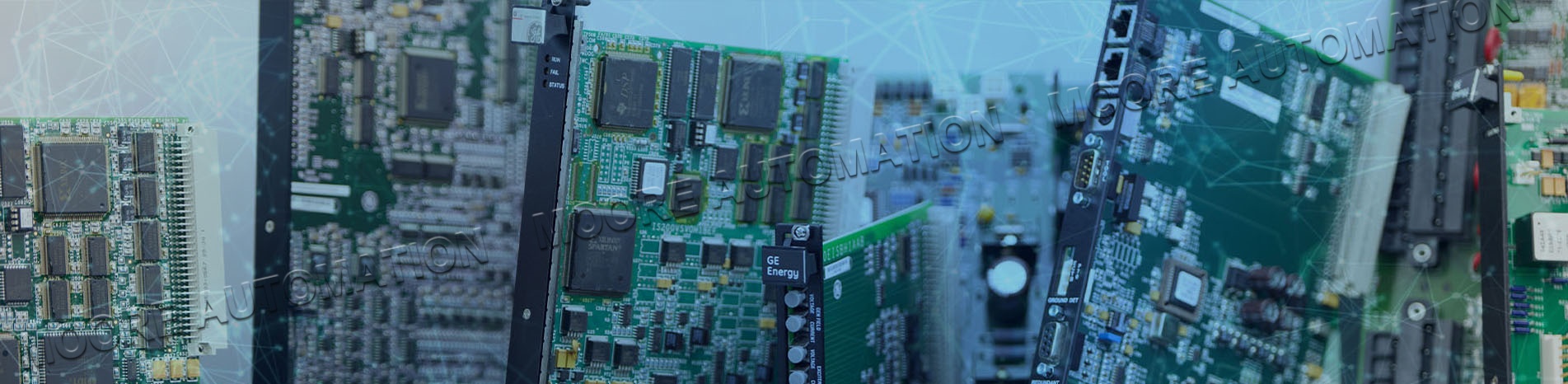
In modern industrial automation environments, Distributed Control Systems (DCS) have become the core of stable and efficient production processes. Key components of a DCS, such as control modules, I/O modules, and communication modules, determine the system's reliability and lifespan. With increasingly complex global supply chains, choosing a trustworthy DCS module supplier has become crucial. So,...
Understanding Electrostatic Threats in DCS Control Systems Static electricity is a major hidden threat to DCS hardware during routine maintenance. A sudden discharge can instantly harm precision components or slowly weaken circuits over time. Since many discharges occur below the threshold of human detection, establishing strong ESD controls is critical to safeguarding system stability and avoidin...
Functional Positioning: A Dual Architecture of Process Control and Safety Protection In modern industrial automation, Distributed Control Systems (DCS) and Emergency Shutdown Systems (ESD) together constitute the core architecture of production facilities. DCS acts as the "central nervous system" of the factory, continuously regulating process parameters to ensure stable production line operation ...
With the continuous improvement of the degree of automation in industrial sites, distributed control systems (DCS) have become the core control infrastructure in key industries such as modern factories, energy, and chemical engineering. Although these systems have brought about improvements in efficiency and visual management, due to the trend of interconnection and interoperability, they are grad...
In the high-stakes race to dominate the energy storage future, innovation isn't just about battery chemistry. It's about how intelligently and flexibly we build them. At the heart of a modern, agile battery production line—from electrode coating to final pack assembly—lies a critical nervous system: Zero-Point Distributed I/O. This technology is proving to be the decisive key, not by making headli...
In the field of industrial automation, the **Distributed Control System (DCS)** is the core of modern large-scale continuous process control. It distributes control tasks to multiple nodes, enhancing system reliability, flexibility and maintainability. It is the main control platform in industries such as power, petrochemicals and chemicals. In a typical DCS system, different components with...
In industrial automation systems, PLC output modules directly determine whether field equipment can operate normally. Abnormal outputs can lead to production stoppages, equipment damage, and even safety risks. Therefore, mastering systematic PLC output fault diagnosis methods is a core competency that electrical engineers and maintenance personnel must possess. I. Common Manifestations of PLC Outp...
When troubleshooting PLC outputs in industrial automation systems, technicians usually expect very clear voltage readings. In most cases, a digital output will either show zero volts when it is OFF or the full supply voltage when it is turned ON. This simple rule works well for relay outputs and many transistor-based outputs. However, things can become confusing when the output module uses a TRIAC...
From Edison's Light Bulb to Three Independent Giants—What Exactly Is GE Today? When people mention GE, many still think of the lighting company founded by Thomas Edison. But in reality, today's GE has split into three independent entities: GE Aerospace inherited the original GE stock ticker "GE" and focuses on aircraft engines and systems integration, holding a dominant position in globa...
Stuck in a critical breakdown situation? Moore Automation provides a myriad of services to clients across the globe. Contact us today to find out how our experienced team can help you minimise downtime.



 1 Year Warranty