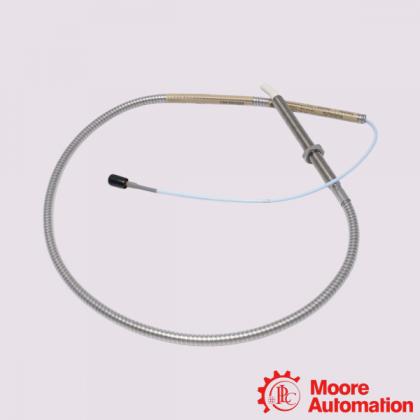
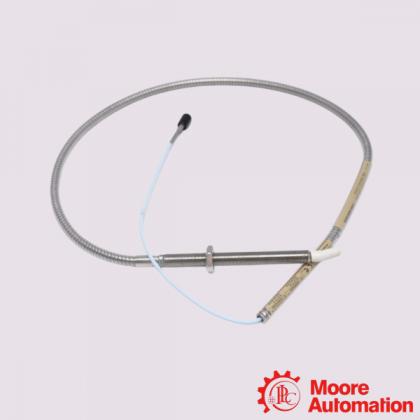
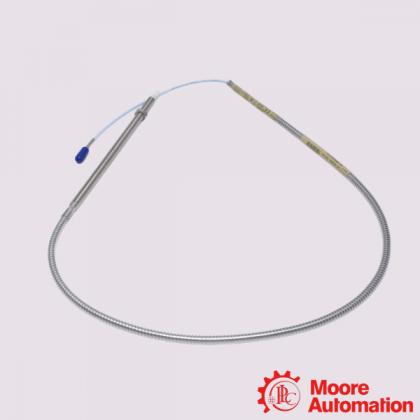
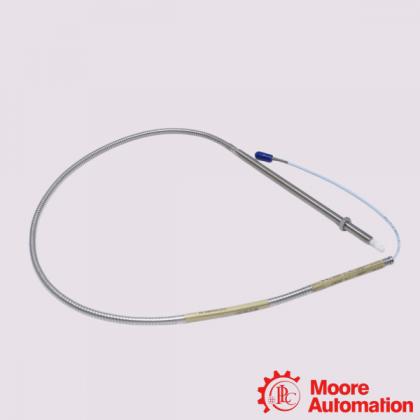
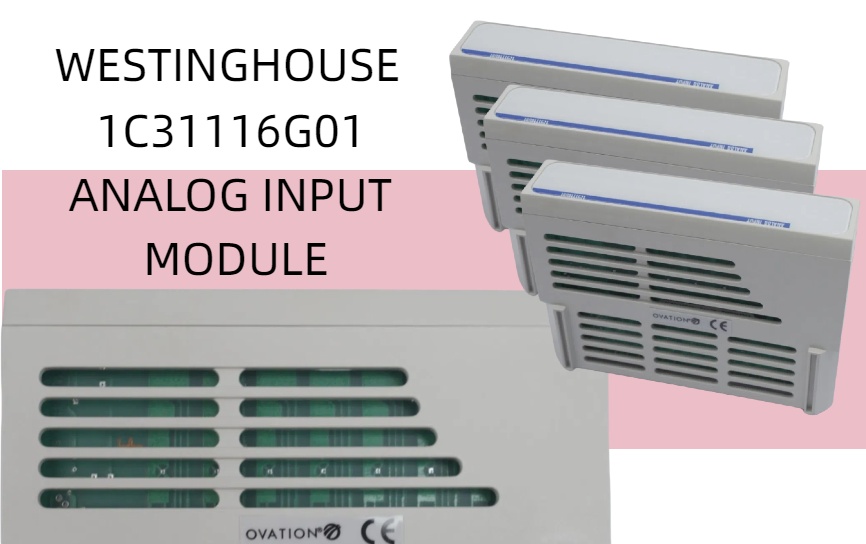
The nuclear energy sector is experiencing a technological revolution, with Westinghouse's enhanced 1C31116G01 control module at the forefront of this transformation. This critical system component now incorporates advanced operational capabilities that significantly improve reactor safety and efficiency. Modernizing Nuclear Control Infrastructure Nuclear facilities worldwide require upgraded systems to address several pressing challenges: Outdated equipment needing replacement Enhanced safety protocols following major incidents Growing cybersecurity risks to critical systems Operational efficiency demands The redesigned 1C31116G01 delivers: Continuous performance monitoring Automated system diagnostics Improved compatibility with monitoring networks Technical Enhancements in the New Design Intelligent Maintenance Systems Processes operational data from hundreds of sensors Anticipates potential equipment issues days in advance Minimizes unexpected outages by over 30% Robust Digital Protection Next-generation data encryption standards Advanced access monitoring capabilities Isolated backup control pathways Improved System Reliability Multiple backup systems for critical operations Rapid emergency switching mechanisms Durable components for harsh environments Operational Improvements at Global Facilities North American Power Generation Case Previous issue: Control delays causing turbine shutdowns Solution: Faster processing from upgraded module Outcome: Significant reduction in power generation losses European Safety Compliance Example Challenge: Meeting updated seismic requirements Implementation: New vibration-resistant components Result: Successful certification testing Asian Cybersecurity Application Situation: External attempts to access systems Response: Enhanced protective measures Effect: Prevention of multiple security breaches Future Development Directions Westinghouse is currently working on: Virtual monitoring systems Secure remote update capabilities Automated power adjustment features Industry projections indicate: Widespread adoption of upgraded systems by 2030 Growing market for intelligent nuclear technologies Addressing Implementation Considerations Nuclear operators encounter specific challenges when upgrading: For older system integration, the modular approach permits gradual installation. Regulatory processes benefit from pre-approved design certifications. Training programs using simulation technology accelerate staff readiness. These solutions help facilities modernize while maintaining continuous, safe operations. Conclusion: Transforming Nuclear Operations The 1C31116G01 represents more than an equipment upgrade - it enables: Enhanced operational safety Reduced running costs Future-ready compliance For nuclear operators, adopting this technology is becoming essential for maintaining competitive, secure power generation.
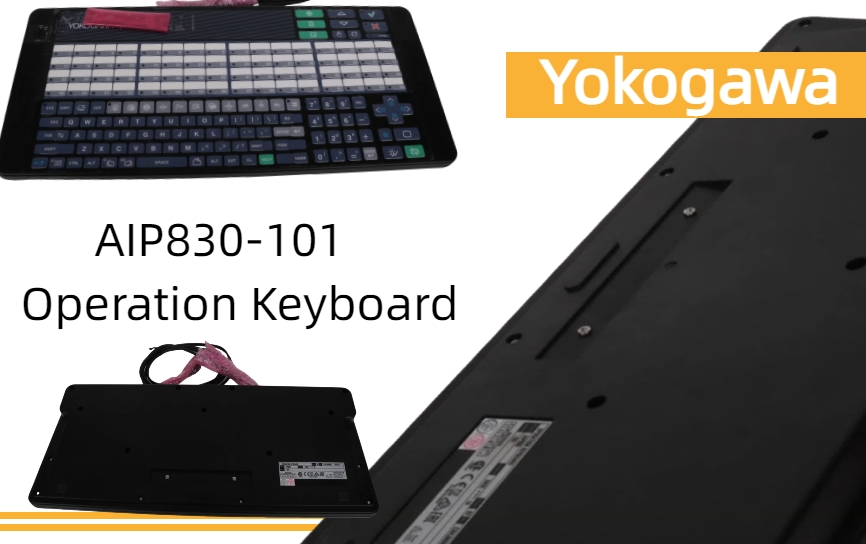
The industrial control landscape is undergoing a quiet revolution. Yokogawa's AIP830-101 Operation Keyboard is transforming mundane control panels into intelligent interfaces that boost productivity, reduce errors, and future-proof operations. This article explores how this next-gen keyboard is rewriting the rules of industrial human-machine interaction. 1. The Limitations of Traditional Control Panels For decades, industrial facilities have relied on: Fixed-function push buttons with limited flexibility Outdated membrane keyboards prone to wear and failure Separate displays and input devices creating workflow inefficiencies These legacy systems struggle with: High error rates in high-pressure situations Inflexibility for process changes Increasing maintenance costs The AIP830-101 addresses these pain points through smart design and cutting-edge technology. 2. Smart Features That Redefine Industrial Input Yokogawa's engineering team packed the AIP830-101 with game-changing capabilities: Context-Aware Illumination Keys automatically highlight based on: • Current process phase • Alarm status • Operator permission level Multi-Touch Gesture Support - Pinch-to-zoom on adjacent displays - Swipe gestures for quick navigation - Two-finger authentication for sensitive commands Self-Healing Key Surfaces Nano-coating technology resists: • Chemical splashes • Abrasive cleaning • UV degradation 3. Real-World Impact: Quantifying the AIP830-101 Advantage Field trials conducted by Yokogawa across twelve chemical plants demonstrate the AIP830-101's significant operational improvements. The data reveals remarkable gains in several key performance indicators. Command input speed has accelerated by 38%, decreasing from 2.1 seconds per action on traditional panels to just 1.3 seconds with the AIP830-101. Error rates have seen an even more dramatic improvement, plummeting by 83% from 4.2% to just 0.7%. The keyboard also substantially reduces training requirements, cutting the typical 16-hour training period down to just 6 hours - a 62% reduction in onboarding time. Perhaps most impressive is the reliability enhancement, with the mean time between failures (MTBF) tripling from 50,000 hours to 150,000 hours. These metrics collectively demonstrate how the AIP830-101 transforms control room operations through measurable, bottom-line improvements. 4. Integration With Modern Industrial Ecosystems The keyboard serves as a bridge between physical and digital interfaces: Seamless DCS/SCADA connectivity via: • Native OPC UA support • Modbus TCP protocol • Yokogawa's proprietary Vnet/IP Augmented Reality Rea...
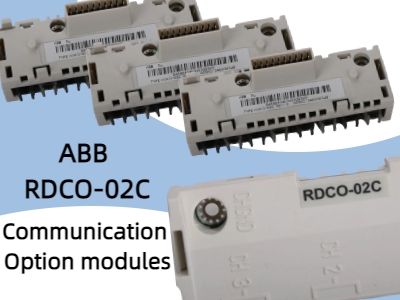
Global industries are accelerating digital transformation, demanding controllers that merge intelligence with operational resilience. ABB’s engineering breakthrough – the RDCO-02C – redefines automation excellence for next-generation production ecosystems. 1. The RDCO-02C: Next-Gen Industrial Control Architecture ABB’s innovation transcends conventional controllers, delivering an integrated automation nucleus. This system-on-chip platform merges computational intensity with industrial ruggedness, engineered for mission-critical applications. Core technological distinctions: Sub-millisecond decision cycles for dynamic process adjustment Native interoperability across legacy and modern fieldbus systems Power-optimized silicon architecture reducing thermal footprint Containerized software deployment for agile function updates Its hardened construction withstands extreme temperatures and electromagnetic interference common in heavy industrial zones. 2. Smart Manufacturing Enablement Framework The controller serves as the neural hub for Industry 4.0 implementations through: Anomaly forecasting via continuous vibration/thermal pattern analysis Closed-loop optimization self-adjusting production parameters in real-time Cybersecurity-by-design with hardware-encrypted communications Carbon accounting integration quantifying sustainability impact This transforms static production lines into self-optimizing value streams responsive to market fluctuations. 3. Operational Transformation Metrics Deployment yields quantifiable business outcomes: 57% reduction in unplanned line stoppages (automotive sector case) 22% decrease in energy intensity per production unit 3× acceleration in changeover procedures Predictable maintenance windows cutting spare part inventories by 40% These translate to 18-24 month ROI periods across documented installations. 4. Cross-Industry Implementation Vectors Strategic deployment scenarios include: Electronics: Microsecond-precision placement machinery calibration Chemical Processing: Reaction vessel safety interlocks with SIL3 certification Logistics Hubs: High-speed sortation system synchronization Water Treatment: Predictive pump failure avoidance in remote facilities Early adopters report 99.998% operational availability in continuous-process environments. 5. Comparative Technological Differentiation The RDCO-02C outperforms alternatives through: Deterministic performance lacking in software-based controllers Lifecycle management tools reducing engineering overhead Multi-vendor ecosystem integration avoiding platform lock-in ABB Ability™ edge connectivity enabling cloud analytics Benchmarks show 40% faster signal processing versus comparable industrial PCs. Conclusion: The Automation Evolution Catalyst ABB’s technological statement through the RDCO-02C establishes a new paradigm where control systems actively drive business outcomes rather than merely enabling processes. Its fusion of deterministic performance with intelligent ada...
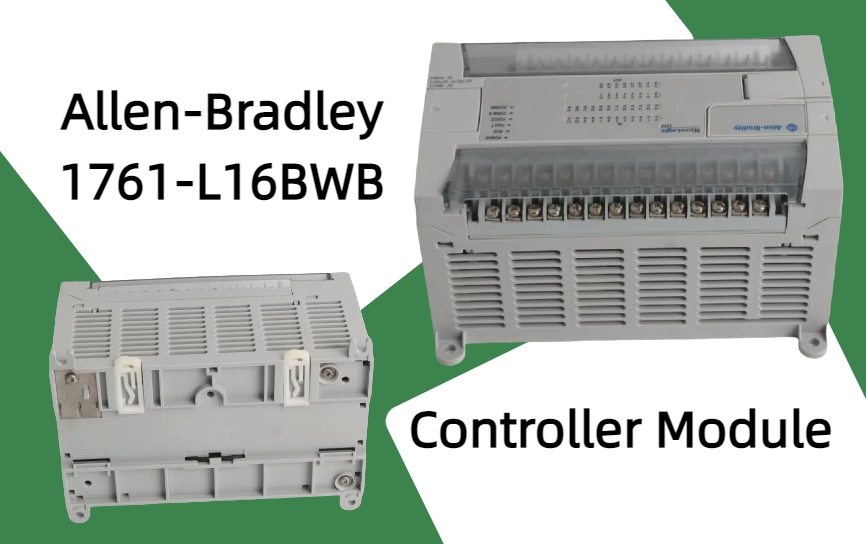
Rockwell Automation has unveiled a major firmware update for the Allen-Bradley 1761-L16BWB, one of the most trusted programmable logic controllers (PLCs) in industrial automation. This upgrade brings Industry 4.0 compatibility to the legacy controller, allowing manufacturers to modernize operations without costly hardware replacements. 1. Why the 1761-L16BWB Remains a Workhorse Controller Despite being introduced years ago, the 1761-L16BWB remains popular due to: Proven Reliability – Withstands harsh industrial environments (-30°C to 70°C) Simple Integration – Compatible with older MicroLogix systems Cost-Effective – Affordable compared to newer PLCs However, its lack of IIoT connectivity and advanced diagnostics** limited its role in smart factories—until now. 2. Key Features of the New Firmware The Industry 4.0-ready firmware introduces: OPC UA Support – Enables secure data exchange with modern SCADA/MES systems Enhanced Diagnostics – Predictive failure alerts via embedded health monitoring Remote Access – Secure cloud connectivity for troubleshooting Backward Compatibility – Works with existing 1761-L16BWB hardware "This update bridges the gap between legacy systems and digital transformation." Rockwell Automation Product Manager 3. Real-World Benefits for Manufacturers Food & Beverage Plant (Midwest USA) Reduced unplanned downtime by 40% with predictive maintenance alerts Integrated legacy machines into a real-time production monitoring system Automotive Supplier (Germany) Avoided $500K+ in hardware upgrades by retrofitting existing controllers Enabled energy consumption tracking for sustainability reporting Water Treatment Facility (Singapore) Achieved remote monitoring compliance without replacing hardware Extended controller lifespan by 5+ years 4. How to Implement the Upgrade The firmware update process is designed for minimal disruption: 1.Download the update from Rockwell's support portal 2.Flash the controller via serial/USB connection (no hardware changes needed) 3.Configure OPC UA for cloud/enterprise system integration 4.Enable diagnostics in programming software (RSLogix 500) "We updated 50 controllers during a weekend shutdown—production resumed Monday with zero issues." Plant Automation Engineer, Chemical Manufacturer 5. Future-Proofing Legacy Systems Rockwell's roadmap indicates: 2025: Expanded cybersecurity features 2026: AI-driven anomaly detection add-on 2027: Possible hardware refresh with same form factor This signals continued support for cost-conscious manufacturers not ready for full system replacements. Conclusion: A Smart Alternative to "Rip-and-Replace" The 1761-L16BWB firmware upgrade proves that legacy equipment can evolve with Industry 4.0 demands. Manufacturers now have a low-risk, high-ROI path to: Extend the life of proven controllers Add smart capabilities without overhauling infrastructure Bridge the gap between old and new systems For plants still running 1761-L16BWB controllers, the question ...
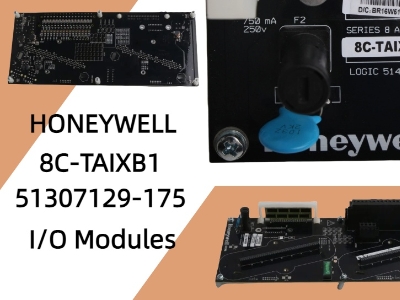
Honeywell's cutting-edge 8C-TAIXB1 51307129-175 I/O Module represents a significant advancement in industrial automation technology. This sophisticated component facilitates smooth integration with Experion PKS control platforms while preserving existing infrastructure investments, offering manufacturing facilities a practical approach to digital transformation. Addressing System Upgrade Complexities Modernizing legacy control systems presents numerous operational challenges for industrial plants. Substantial capital expenditures often strain financial resources, particularly for medium-scale operations where budgets are constrained. Prolonged production interruptions during transition periods result in considerable output losses, while technical compatibility issues may emerge when updating older systems. Furthermore, extensive personnel training requirements introduce additional operational complexities during critical implementation phases. These cumulative factors have traditionally impeded timely technological improvements, leaving many industrial sites operating with obsolete equipment. Smart System Integration Features The 8C-TAIXB1 51307129-175 module incorporates several intelligent design elements that overcome traditional upgrade barriers. Its inherent compatibility with Experion PKS platforms removes the necessity for supplementary protocol conversion equipment that typically complicates installation processes. The module's self-configuration capability automatically adapts to existing wiring configurations, dramatically reducing commissioning time. Versatile power supply options support both modern 24V DC and conventional 120V AC electrical systems, while the hot-swappable functionality enables maintenance activities without production stoppages. These integrated features collectively optimize the modernization process while ensuring continuous plant operations. Validated Industrial Applications Practical implementations have demonstrated the module's effectiveness across various manufacturing sectors. Petroleum processing facilities have successfully migrated numerous temperature monitoring points in significantly reduced timeframes, avoiding substantial production losses. Pharmaceutical manufacturing sites have achieved regulatory compliance while maintaining existing sensor infrastructure and streamlining documentation processes. Industrial manufacturing plants have successfully extended the operational lifespan of legacy equipment while simultaneously improving energy management through enhanced monitoring capabilities. These diverse real-world applications confirm the solution's adaptability to different industrial environments. Advanced Technical Capabilities The module incorporates multiple technological enhancements beyond basic integration functions. Automatic signal compensation maintains measurement accuracy with aging field devices, while redundant monitoring mechanisms prevent undetected system failures. The design compl...
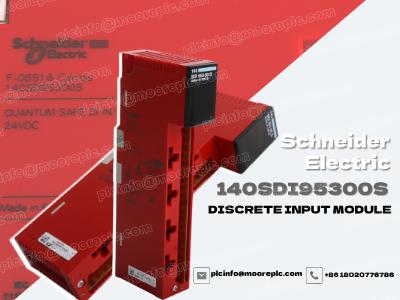
Overview of the Modicon Quantum Automation Platform The Schneider Electric 140SDI95300S is a key component of the Modicon Quantum automation platform, a well-established system known for its scalability, high performance, and reliability in industrial automation. Designed specifically for critical safety applications, this module enhances the ability of control systems to respond rapidly and accurately to input signals while maintaining strict safety standards. Modicon Quantum platforms are frequently used in energy, infrastructure, and process industries where downtime and safety risks must be minimized. The 140SDI95300S safety input module contributes to this mission by delivering stable, fast, and secure signal processing. Product Description: 140SDI95300S Safety DC Discrete Input Module The Schneider Electric 140SDI95300S is a safety DC discrete input module with 16 input channels organized into a single group. It operates with a positive logic (sinking) configuration, making it compatible with a broad range of industrial sensors and input devices. Its primary function is to receive discrete signals from field devices like emergency stop buttons, limit switches, and light curtains—ensuring each input is accurately detected and communicated to the controller. Key technical highlights include: Input voltage: 24 V DC Input impedance: 3675 Ohm Voltage state detection: Logic "1": 11–30 V DC Logic "0": –3 to 5 V DC Current thresholds: Logic "1": ≥ 3 mA Logic "0": ≤ 1.5 mA Sensor power supply: 19.2–30 V DC Electrical Performance and Protection Features In safety-critical environments, protection and isolation are essential. The 140SDI95300S provides robust safeguards including: Isolation voltage: 1500 Vrms between input group and system bus for 1 minute Built-in protection: Internal rectifier for input signal conditioning Overvoltage limit: Absolute maximum input voltage of 30 V DC Fuse protection: Associated with a 1 A fast-blow fuse to protect each channel These features help ensure that voltage spikes or signal anomalies do not compromise system performance or operator safety. Power and Addressing Requirements Efficient power usage and accurate data transmission are essential for high-density control systems. This module is engineered with: Power dissipation: 2.75 W + (0.25 W x number of active input points) Addressing requirement: Uses 7 input words on the network, optimizing memory mapping within the PLC system Thanks to its efficient design, the 140SDI95300S minimizes unnecessary power draw and supports larger I/O configurations without straining system resources. Conclusion The Schneider Electric 140SDI95300S safety DC discrete input module is a powerful tool in building secure, high-performance automation systems. With its advanced protection features, reliable input detection, and seamless integration into the Modicon Quantum platform, it serves as a vital component in any safety-critical industrial setup. For engineers and plant operators ...
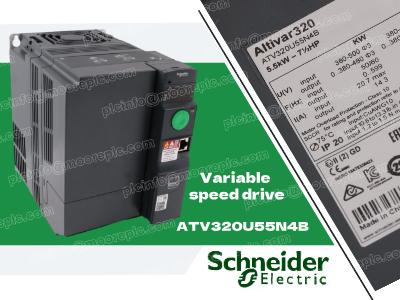
Introduction to Altivar Machine ATV320 Series The ATV320U55N4B variable speed drive from Schneider Electric's Altivar Machine ATV320 series is designed to deliver precise motor control for complex industrial machinery. With its 5.5 kW power rating and 380-500V three-phase input, this drive ensures optimal performance in demanding automation environments. Whether you're managing conveyor systems, packaging machines, or CNC equipment, the ATV320U55N4B provides energy-efficient speed regulation, reducing operational costs while enhancing productivity. Key Features & Technical Specifications The ATV320U55N4B stands out with its advanced motor control capabilities and robust design. Here are its core specifications: Power Rating: 5.5 kW (Heavy Duty) Rated Current: 14.3 A Supply Voltage: 380-500V (±15% to -10%) Mounting: Wall-mounted (Book format) Communication Protocols: Modbus Serial & CANopen Discrete Inputs: 7 configurable inputs EMC Filter: Integrated Class C2 (Reduces electromagnetic interference) This drive is ideal for applications requiring high torque, dynamic response, and energy savings. Applications in Industrial Automation The ATV320U55N4B is engineered for complex machinery across multiple industries: Material Handling: Conveyors, hoists, and cranes Packaging Machines: High-speed filling, labeling, and sealing Textile & Printing: Precision speed control for rollers and spindles Food & Beverage: Hygienic and washdown-compatible setups Its Modbus and CANopen compatibility ensures seamless integration into PLC-controlled systems, making it a versatile choice for smart factories. Conclusion: A Reliable Drive for Smart Manufacturing The ATV320U55N4B variable speed drive combines precision control, energy savings, and industrial durability, making it an excellent choice for modern automation systems. Whether upgrading existing machinery or designing new production lines, this drive ensures optimal performance and reduced downtime.
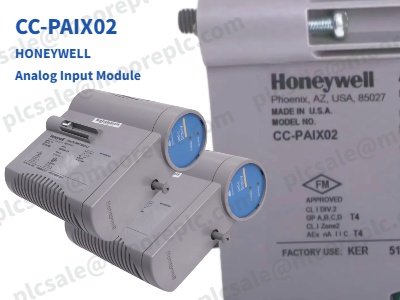
Introduction to the CC-PAIX02 Module Engineered for industrial automation, the Honeywell CC-PAIX02 serves as a critical interface between field instrumentation and control systems. This analog input component delivers consistent signal processing for Honeywell's Experion and TDC platforms, supporting various process measurement requirements. Its ruggedized design withstands challenging plant conditions while maintaining measurement integrity. Core Technical Attributes The module accommodates industry-standard analog signals including 4-20mA current and 0-10V voltage inputs, with 16-bit resolution for precise data capture. Advanced signal conditioning circuitry minimizes measurement drift and suppresses electrical interference. Compliant with international industrial standards, it operates reliably in temperature extremes and high-vibration environments. System Integration and Configuration Optimized for Honeywell's control architecture, the CC-PAIX02 facilitates bidirectional communication with Experion PKS and TDC systems. Each input channel features independently programmable scaling parameters, enabling direct engineering unit conversion. The module's embedded diagnostics provide real-time channel health monitoring, simplifying troubleshooting during operation. Operational Advantages By maintaining signal fidelity in electrically noisy environments, this input module reduces control loop variability. Its hot-swappable design permits module replacement without system shutdown, significantly improving maintenance efficiency. The unit's low power consumption and minimal heat generation contribute to enhanced system reliability and longevity. Industrial Implementation Scenarios CC-PAIX02 Widely deployed across continuous process industries, the module excels in applications including: Refinery process monitoring (pressure/temperature) Power plant auxiliary system control Water treatment plant instrumentation Petrochemical batch processing Its universal input capability eliminates the need for signal converters in most measurement scenarios. Final Considerations The CC-PAIX02 represents a sophisticated solution for industrial analog signal acquisition, combining measurement precision with robust construction. Its seamless integration with Honeywell control platforms and flexible configuration options make it particularly valuable for mission-critical automation systems requiring high availability and accuracy.
Stuck in a critical breakdown situation? Moore Automation provides a myriad of services to clients across the globe. Contact us today to find out how our experienced team can help you minimise downtime.



 1 Year Warranty