The Importance of Lifelong Learning in Industry 4.0
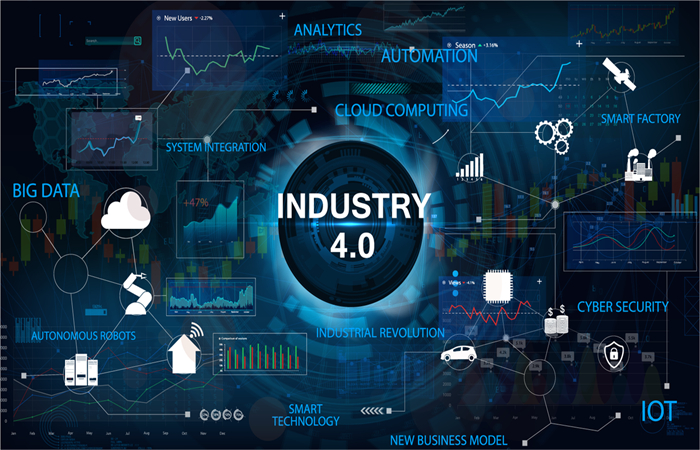
Industry 4.0 is transforming industries with cutting-edge technologies like automation, AI, and IoT. To thrive in this era of rapid change, companies must recognize that education doesn't end with graduation. Instead, a degree serves as a foundation for continuous learning and professional development. Investing in ongoing training helps engineers stay ahead of technological advancements and equips them to meet future challenges effectively.
Bridging the Gap Between Academia and Industry
While universities provide engineers with strong theoretical and research skills, practical, hands-on experience is often limited. This gap can leave young engineers underprepared for the complexities of the modern workplace. Programs like sandwich year placements, offered by organizations such as GE and EDF Energy, provide valuable real-world exposure. However, employers must also take the lead by offering in-house training and access to external courses to ensure engineers are equipped for industry-specific demands.
Upskilling Through Targeted Training Programs
To address specific organizational needs, companies should implement targeted training initiatives. For instance:
Lean Methodologies: Courses like Six Sigma for Business Excellence can help engineers reduce waste and optimize processes.
Emerging Technologies: Workshops on AI, IoT, or data analytics keep engineers abreast of Industry 4.0 trends.
By providing such opportunities, businesses can attract top talent and enhance workforce capabilities.
Leveraging the Strengths of a Multigenerational Workforce
Training isn't just for recent graduates. Research by VMWare highlights that older generations are eager to acquire technical digital skills. For example, 39% of 45-54-year-olds in a survey expressed interest in mobile app development. Companies should foster collaboration between experienced and younger engineers. While senior employees bring hands-on expertise, younger staff can introduce digital-savviness, creating a complementary skill set that drives innovation.
Tackling the Engineering Skills Shortage
The engineering industry faces a significant skills gap, making workforce development a strategic priority. By encouraging lifelong learning, businesses can cultivate a team that is adaptable, innovative, and well-equipped to handle the complexities of Industry 4.0. Combining mentorship programs, cross-generational collaboration, and structured training initiatives can help bridge the skills shortage and ensure sustained growth.
Conclusion
The advent of Industry 4.0 demands that companies prioritize lifelong learning and skill development. From addressing the academic-to-practical gap to fostering multigenerational collaboration, continuous training is key to staying competitive. By equipping engineers with the tools they need to adapt to technological advancements, businesses can future-proof their operations and thrive in this dynamic industrial landscape.
Tel : +86 18030235313
Whatsapp & Wechat : +86 18030235313
Email : plcsale@mooreplc.com



 1 Year Warranty