Collaborative robots, commonly known as cobots, are transforming the industrial landscape by introducing automation that works safely and efficiently alongside human workers. Unlike traditional robots that require barriers for safety, cobots are designed to share space with humans, making them ideal for tasks that benefit from human oversight and adaptability. Their emergence represents one of the most exciting advancements in robotics, catering to industries that seek flexible, smart manufacturing solutions.
The journey of cobots began in 1999, when General Motors developed the first generation of collaborative robots, known as "Intelligent Assist Devices" (IADs), to help workers on assembly lines. These early cobots were designed without independent movement, prioritizing safety through limited mobility.
In 2004, the development of KUKA’s LBR3, the first cobot with active motion, marked a significant milestone in cobot evolution. Four years later, Universal Robots’ UR5 revolutionized the industry by enabling automation in small and medium-sized enterprises (SMEs). The UR5’s ability to operate without protective fencing made it a practical solution for businesses with limited space, sparking widespread adoption of cobots in various industries.
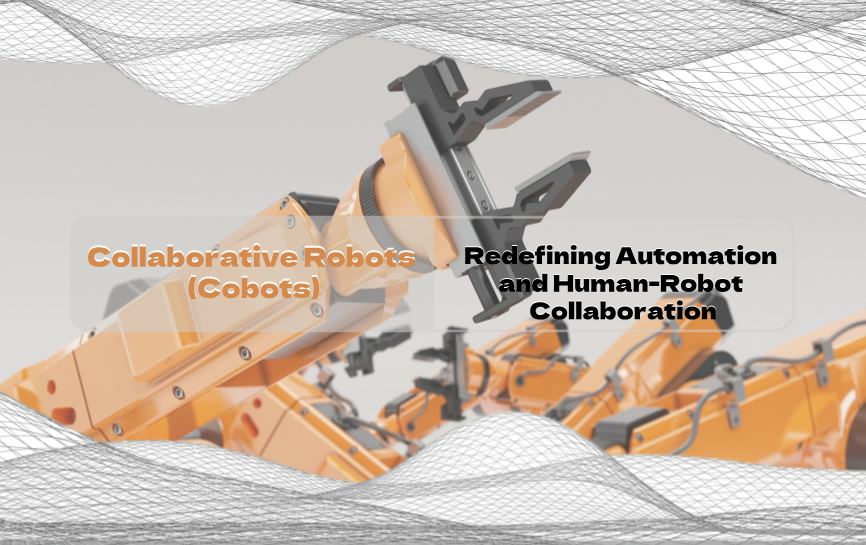
While cobots have made significant inroads in industrial automation, they continue to face unique challenges. Tasks requiring delicate handling or quick adjustments in response to obstacles remain complex for robots to navigate independently. To overcome these challenges, robotics companies have developed enhanced processors and vision systems, enabling cobots to better interpret and respond to dynamic environments.
The 2019 Automate conference highlighted advances by Realtime Robotics, showcasing cobots equipped with vision systems that detect obstacles and quickly calculate alternate paths. This technology enables cobots to maintain productivity even in unpredictable environments, allowing them to operate seamlessly alongside human workers while enhancing both safety and efficiency.
Initial skepticism surrounding cobots centered on whether they could function safely and effectively in busy manufacturing settings. However, technological advancements have addressed these concerns, with modern cobots not only meeting rigorous safety standards but also achieving remarkable productivity.
Today’s cobots use advanced sensors to detect obstacles, such as a worker’s hand, and instantly adjust their movements to avoid collision without halting operations. This capability minimizes downtime and improves overall productivity. Additionally, many newer cobots can collaborate with multiple robots within the same space, each performing different tasks without interference. This enhanced coordination enables manufacturers to scale operations without sacrificing flexibility.
As industries embrace smart manufacturing, cobots are experiencing rapid growth. Industry forecasts predict that global cobot sales will exceed $3 billion by 2025. The expanding use of cobots is especially evident in sectors like electronics, pharmaceuticals, and logistics, where precision and adaptability are paramount.
The future of cobots is set to include increased integration of artificial intelligence (AI), allowing these robots to learn and adapt autonomously within their environment. Equipped with faster processing capabilities and superior vision systems, cobots will be able to tackle more complex tasks, further enhancing their utility across diverse industries.
Collaborative robots are not only reshaping industrial automation but also redefining the possibilities of human-robot interaction. By combining safety, flexibility, and efficiency, cobots have evolved from a niche technology to a vital component of modern manufacturing. As cobots continue to advance, companies of all sizes will benefit from improved productivity and streamlined operations. With smarter and faster robots on the horizon, the future of collaborative automation is both promising and dynamic, setting the stage for a new era of industrial synergy.
Tel : +86 18030235313
Whatsapp & Wechat : +86 18030235313
Email : plcsale@mooreplc.com



 1 Year Warranty