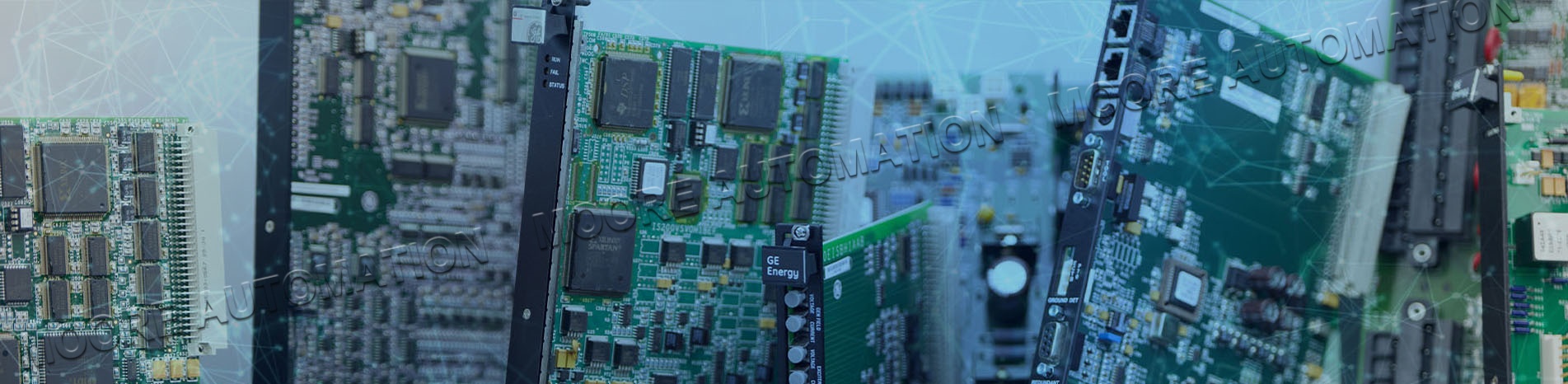
In any industry, component obsolescence is inevitable. No part can last forever—even top manufacturers like ABB, Siemens, and Lenze eventually see their products reach the end of their lifecycle. To address this reality, most manufacturers define production and support lifespans for their products. This is a core part of ABB’s lifecycle management strategy, which outlines support methods at different stages and helps companies plan ahead.
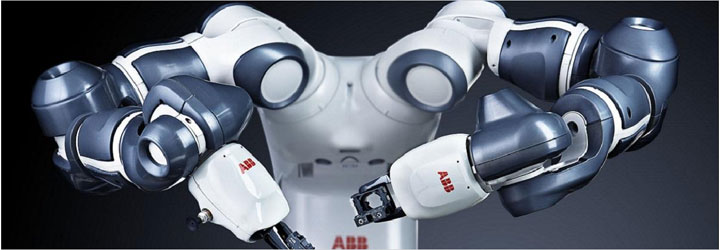
ABB stands out as a leading manufacturer in Europe. They specialise in components for electrification and automation. Their product range includes drives, generators, motors, robotics, power grids, and more. They provide parts for companies in various industries, including Oil and Gas manufacturers as well as utilities. We will be looking at ABB lifecycle management, obsolete ABB products and practical tips to help you manage obsolescence when your ABB parts reach the end of their lifecycle.
Typical ABB Components Approaching Obsolescence
Control Systems and PLCs: The Advant Controller series (AC450, AC110) has been replaced by the more advanced ABB Ability™ System 800xA.
Variable Speed Drives (VSDs): The ACS600 series, which introduced Direct Torque Control (DTC) in the 1990s, officially reached end-of-life on January 1, 2025. Its successor, the ACS880 series, offers improved energy efficiency and performance.
Robot Controllers: While S4C and S4C+ have not been officially discontinued, IRC5 and OmniCore™ controllers have become the primary alternatives.
The Four Stages of the ABB Lifecycle
Active Stage: Newly released products with full spare parts and service support.
Classic Stage: Products continue to receive full support while ABB develops the next generation.
Limited Stage: No new development; limited parts and support are provided while materials are available.
Obsolete Stage: Products are officially retired with no further technical support or services.
Practical Strategies for Managing ABB Component Obsolescence
Proactive Management: Continuously monitor product lifecycles and identify replacement options or third-party channels early.
Reliable Third-Party Suppliers: When looking for replacements or alternatives to obsolete ABB products, it is often worthwhile to consider an external provider. This option can provide valuable solutions.
Refurbished Parts: Extend the life of older components through inspection, repair, reassembly, and testing.
Safety Stock: Pre-stock critical parts while the product is still available.
Maintenance and Remanufacturing Services: Utilize professional third-party repair and remanufacturing to maximize component usability.
The discontinuation of ABB components does not mean production must stop. With proper lifecycle management and proactive planning, companies can minimize obsolescence risks, prevent unexpected downtime, and maintain long-term operational efficiency. Understanding the four stages of the ABB lifecycle and implementing appropriate strategies is key to keeping industrial operations running smoothly.
Tel : +86 18030235313
Whatsapp & Wechat : +86 18030235313
Email : 849250460@qq.com
Email : plcsale@mooreplc.com



 1 Year Warranty