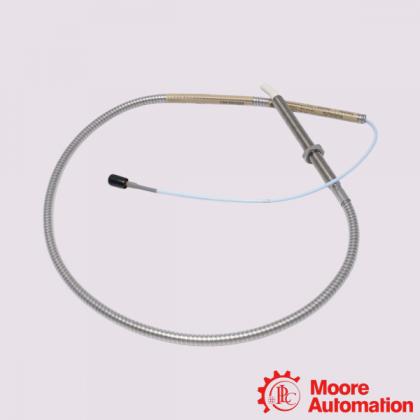
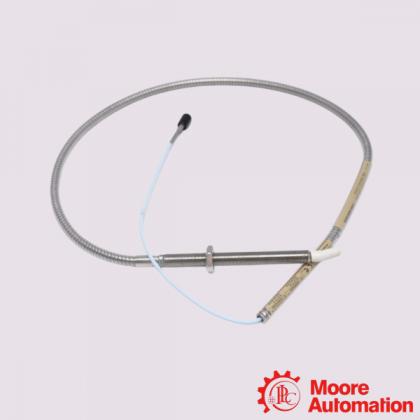
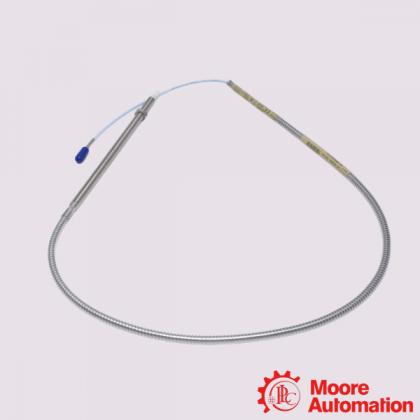
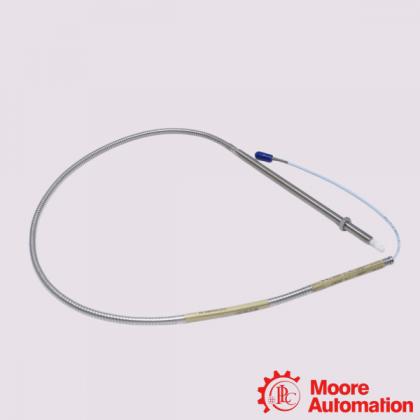
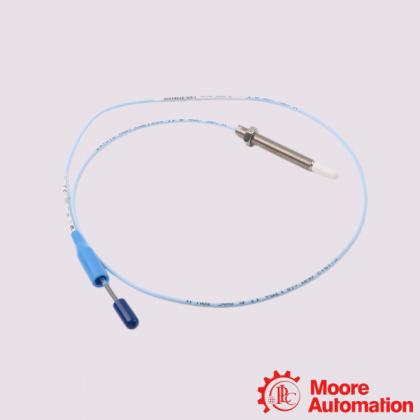
The Triconex 3625A 24VDC Digital I/O Module is a critical component in industrial automation and safety-critical systems, designed to deliver high reliability, fault tolerance, and seamless integration within complex control architectures. Manufactured by Schneider Electric under the Triconex brand, this module is widely used in industries such as oil and gas, chemical processing, power generation, and other high-risk environments where system integrity and operational safety are paramount. This article explores the technical specifications, functional capabilities, and real-world applications of the 3625A module, highlighting its role in modern industrial automation.
Technical Specifications and Design Features
The Triconex 3625A is a 24VDC digital input/output (I/O) module engineered for integration with Tricon v9, v10, and v11 safety systems. It supports both digital input (DI) and digital output (DO) functionalities, making it versatile for monitoring and controlling field devices.
Key specifications include:
Voltage Range: Operates at 24VDC, compatible with industrial control systems.
Channels: Typically features 16 or 32 channels (depending on configuration), enabling efficient handling of multiple signals.
Isolation: Provides channel-to-channel and channel-to-system isolation to prevent cross-talk and electrical interference.
Communication Interface: Integrates with Triconex’s TriBus communication protocol for fast, deterministic data exchange with the main controller.
Certifications: Complies with international safety standards such as IEC 61508 (SIL 3) and API 670, ensuring suitability for safety-instrumented systems (SIS).
The module’s design emphasizes redundancy and fault tolerance. Unlike conventional I/O modules, the 3625A employs triple modular redundancy (TMR) architecture, where three independent processing channels operate in parallel. This redundancy ensures continuous operation even if one channel fails, significantly reducing the risk of unplanned downtime.
Functional Capabilities
Digital Input Handling:
The 3625A accepts discrete signals from field devices such as limit switches, sensors, or emergency stop buttons. It converts these signals into digital data for processing by the Tricon controller. For example, in a gas pipeline, the module might monitor pressure sensors to detect abnormal conditions and trigger safety protocols.
Digital Output Control:
The module drives actuators, relays, or solenoid valves based on commands from the control system. In a fire-and-gas detection system, it could activate alarms or shut down equipment upon detecting hazardous conditions.
Diagnostics and Health Monitoring:
Built-in diagnostic tools continuously check for faults such as open circuits, short circuits, or communication errors. Alerts are sent to the control system, enabling proactive maintenance and reducing mean time to repair (MTTR).
Hot Swapability:
The 3625A supports hot swapping, allowing replacement without shutting down the entire system. This feature is crucial for industries requiring 24/7 operation.
Key Applications
The Triconex 3625A is deployed in mission-critical scenarios where safety and reliability are non-negotiable. Below are some prominent use cases:
Emergency Shutdown Systems (ESD):
In oil refineries or offshore platforms, the module interfaces with sensors monitoring parameters like pressure, temperature, or flow rates. If thresholds are breached, it initiates shutdown procedures to prevent equipment damage or explosions.
Fire and Gas Detection:
The module connects to smoke detectors, gas sensors, and flame detectors. Upon detecting a hazard, it triggers alarms, activates suppression systems, and isolates affected areas.
Turbine Control in Power Plants:
Gas or steam turbines require precise monitoring of vibration, speed, and temperature. The 3625A ensures rapid response to anomalies, safeguarding equipment from catastrophic failure.
Process Automation in Chemical Plants:
It manages valves, pumps, and mixers in batch processes, ensuring adherence to safety protocols during hazardous material handling.
Advantages Over Conventional I/O Modules
Fault Tolerance: TMR architecture eliminates single points of failure, ensuring uninterrupted operation.
High Availability: Redundant channels and hot-swap capability minimize downtime.
Scalability: Compatible with Triconex’s modular chassis, allowing easy expansion for growing systems.
Safety Compliance: Meets SIL 3 requirements, making it ideal for safety-instrumented functions.
Integration and Best Practices
To maximize performance, the 3625A should be integrated into a Triconex chassis (e.g., 3008N or 3805E) with proper grounding and shielding to mitigate electromagnetic interference (EMI). Configuration is performed using TriStation 1131 software, which allows users to define logic, setpoints, and alarm thresholds. Regular firmware updates and adherence to maintenance schedules are recommended to ensure longevity.
Conclusion
The Triconex 3625A 24VDC Digital I/O Module stands as a cornerstone of modern industrial safety systems. Its robust design, redundancy features, and compliance with stringent safety standards make it indispensable in environments where equipment failure could lead to catastrophic consequences. By enabling precise monitoring and control while maintaining operational continuity, the 3625A empowers industries to achieve both safety and efficiency in their automated processes. As industrial systems grow more complex, the demand for reliable I/O solutions like the 3625A will continue to rise, reinforcing its role as a critical asset in safety-critical applications.
Tel : +86 18030235313
Whatsapp & Wechat : +86 18030235313
Email : 849250460@qq.com
Email : plcsale@mooreplc.com



 1 Year Warranty